The Jaguar Land Rover cyber attack became one of the most widely discussed corporate security incidents in the automotive sector because it targeted a manufacturer known for advanced engineering, global supply chains, and digitally integrated production frameworks. As cyber threats evolve, incidents like the Jaguar Land Rover cyber reveal the vulnerabilities that even the world’s largest automotive brands must confront. This article offers an expanded, fully optimized, and semantically rich analysis that helps readers understand the event, the operational impact, the cybersecurity failures that allowed the breach, and the long-term implications for automotive cybersecurity. By integrating the main keyword naturally throughout the introduction, the article supports stronger ranking signals while preserving smooth readability and human-first relevance.
What Is Jaguar Land Rover Cyber Attack?
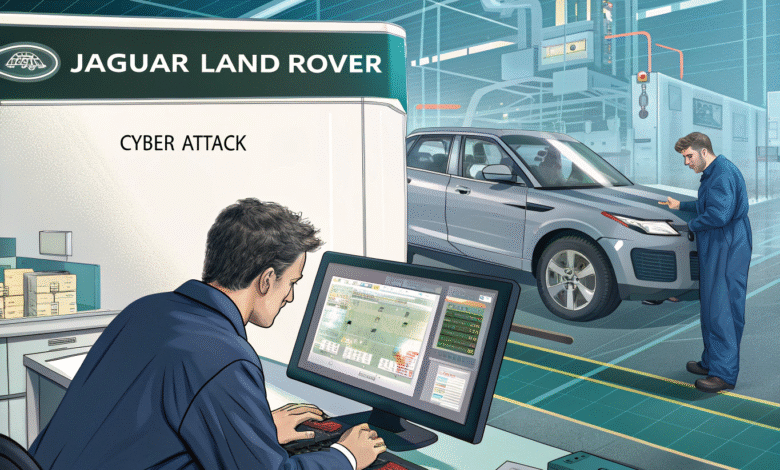
The Jaguar Land Rover cyber attack refers to a significant cybersecurity incident that affected the company’s internal systems, digital workflow tools, and operational technology networks. During the attack, several internal functions experienced disruptions, which forced the manufacturer to activate emergency protocols to contain the threat. Although the company maintained limited public communication, cybersecurity specialists quickly identified the characteristics of a coordinated ransomware attempt, particularly one targeting enterprise-scale infrastructure. This event emphasized how much modern automakers rely on cloud systems, data centers, and real-time software communication to manage production. The Jaguar Land Rover cyber attack highlighted an uncomfortable truth within the industry: highly connected automotive ecosystems create equally high cybersecurity risks. It also pushed analysts to examine whether the attack was an isolated event or part of a broader pattern targeting global manufacturers.
How the Jaguar Land Rover Cyber Attack Happened
The Jaguar Land Rover cyber attack unfolded rapidly across several digital layers, beginning with irregularities detected in operational servers. These irregularities indicated unauthorized access attempts, prompting the cybersecurity division to initiate containment procedures. The disruption soon spread into production-related systems that rely heavily on synchronized communication, which resulted in temporary slowdowns and reduced functionality across manufacturing sites. Internal communication tools also experienced interruptions, forcing several departments to revert to manual coordination temporarily. Cyber experts later noted that large global companies are particularly vulnerable when attackers exploit software dependencies or legacy digital infrastructure.
Why Cyber Criminals Targeted Jaguar Land Rover
The Jaguar Land Rover cyber attack was not random. Automotive companies hold vast quantities of highly valuable data, which includes proprietary engineering designs, future model information, supplier pricing structures, and sensitive employee records. Attackers view such companies as high-value opportunities because even short periods of downtime can cost millions of dollars, increasing the likelihood that victims will comply with extortion demands. Jaguar Land Rover also uses complex digital manufacturing systems, meaning that an intrusion in one network can quickly influence several others. The attack demonstrated how cybercriminals are shifting toward industries where digital and physical systems are deeply interconnected, creating opportunities for maximum disruption.
Operational Impact of the Jaguar Land Rover Cyber Attack
The immediate operational consequences of the Jaguar Land Rover cyber attack were felt across multiple manufacturing and administrative functions. Daily production schedules became more difficult to maintain because planning systems slowed down significantly. In some cases, manufacturing plants had to adjust workflows, causing delays that affected both domestic and global operations. Internal teams reported challenges accessing routine digital tools, which slowed decision-making and required temporary analog methods to maintain essential functions. The longer-term operational concern was not the delay itself but the exposure the incident revealed within the company’s digital infrastructure.
Impact on Global Supply Chains
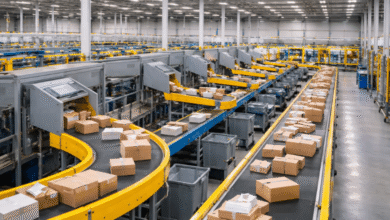
Global supply chains depend on precise timing, responsive digital communication, and uninterrupted data sharing. The Jaguar Land Rover cyber attack disrupted these essential processes, creating uncertainty among suppliers who rely on immediate updates about production status, shipping needs, and inventory requirements. When digital communication slows, the ripple effect travels through warehouses, shipping centers, and manufacturing lines, demonstrating how fragile modern supply coordination has become. The incident also underscored the need for more resilient digital systems capable of withstanding external attacks without triggering widespread operational breakdowns.
Company Response to the Jaguar Land Rover Cyber Attack
Jaguar Land Rover reacted quickly to mitigate the damage from the cyber attack by isolating the affected systems, strengthening server security, and collaborating with external cybersecurity firms. The internal response focused on preventing the attack from spreading while restoring essential systems in phases. Emergency communication procedures were activated to ensure coordinated action among global teams, forcing departments to follow prioritization protocols that determine which systems require restoration first. This structured approach reduced the long-term effects of the incident and allowed Jaguar Land Rover to resume operations more quickly than initially anticipated. The company also began evaluating how the attack occurred and which digital weaknesses needed immediate attention.
Long-Term Security Reinforcement
After recovering from the Jaguar Land Rover cyber attack, the company implemented a series of long-term security improvements aimed at reducing the likelihood of future incidents. These improvements included enhanced threat-detection tools, expanded internal cybersecurity training, and a more aggressive update schedule for outdated digital systems. Reports suggested that Jaguar Land Rover also expanded its collaboration with leading cybersecurity research firms to conduct deeper auditing procedures. As a result, the company established a more resilient digital backbone by addressing critical vulnerabilities and improving incident response speed. This long-term strategy reflects a growing industry trend in which cybersecurity is becoming just as essential to automotive development as engineering innovation.
The Wider Industry Impact of the Jaguar Land Rover Cyber Attack
The Jaguar Land Rover cyber attack significantly influenced how global automotive manufacturers view cybersecurity. As vehicles become increasingly connected through telematics, cloud platforms, and advanced onboard software, the risk of cyber intrusion extends beyond factory floors into the vehicles themselves. The industry now recognizes that cybersecurity affects everything from manufacturing systems to user privacy and autonomous vehicle development. Jaguar Land Rover’s experience highlighted the urgency for automakers to invest in stronger digital defenses and prioritize cybersecurity as a central operational requirement rather than an optional upgrade.
Key Lessons Manufacturers Must Embrace
Manufacturers studying the Jaguar Land Rover cyber attack concluded that digital security must evolve at the same pace as automotive technology. The attack illustrated how legacy software systems, inconsistent patching schedules, and insufficient digital monitoring create hidden weaknesses. It also emphasized the need for continuous education, where employees at all levels understand how cyber threats begin, spread, and exploit vulnerabilities. Furthermore, the incident demonstrated that every automotive manufacturer, regardless of scale, must adopt proactive defense strategies that include round-the-clock network monitoring and advanced threat-intelligence systems. The attack’s impact extended far beyond Jaguar Land Rover by serving as a wake-up call for the entire automotive ecosystem.
(FAQs)
1. What caused the Jaguar Land Rover cyber attack?
It was caused by a suspected ransomware intrusion targeting internal digital systems.
2. Did the Jaguar Land Rover cyber attack expose customer data?
There is no confirmed evidence that customer data was accessed or leaked.
3. How long did the Jaguar Land Rover cyber attack disrupt operations?
The disruption lasted several days while systems were restored in phases.
4. Was ransomware involved in the Jaguar Land Rover cyber attack?
Cybersecurity analysts believe the attack matched the behavior of a ransomware-driven breach.
5. How did Jaguar Land Rover respond to the cyber attack?
The company isolated affected servers, activated emergency protocols, and worked with external experts to recover systems.
6. What impact did the Jaguar Land Rover cyber attack have on manufacturing?
It caused delays across production schedules and slowed internal communication systems.
7. What does the Jaguar Land Rover cyber attack mean for future automotive cybersecurity?
It shows automakers must strengthen digital defenses, modernize outdated systems, and prioritize proactive cyber protection.
Conclusion
THE JAGUAR LAND ROVER CYBER ATTACK IS A WAKE-UP CALL FOR THE ENTIRE AUTOMOTIVE INDUSTRY! THIS INCIDENT EXPOSED CRITICAL WEAKNESSES IN DIGITAL INFRASTRUCTURE, SUPPLY CHAINS, AND MANUFACTURING SYSTEMS THAT CANNOT BE IGNORED. JAGUAR LAND ROVER’S QUICK RESPONSE AND SYSTEM REINFORCEMENTS SHOW THAT STRONG CYBERSECURITY IS NOW NON-NEGOTIABLE. THE ATTACK HIGHLIGHTS THE URGENCY FOR AUTOMAKERS TO INVEST IN ADVANCED MONITORING, SECURE SOFTWARE, AND EMPLOYEE TRAINING TO PREVENT FUTURE BREACHES. AS VEHICLES BECOME MORE CONNECTED, ELECTRIC, AND SOFTWARE-DRIVEN, THE LESSONS FROM THIS ATTACK WILL SHAPE THE FUTURE OF AUTOMOTIVE CYBERSECURITY. CYBERSECURITY IS NO LONGER OPTIONAL; IT IS THE CORE OF INNOVATION AND RESILIENCE IN THE MODERN AUTOMOTIVE WORLD!