Navigating the Modern Video Pipeline: How Conversational AI and Multi-Track Timeline Editors Connect

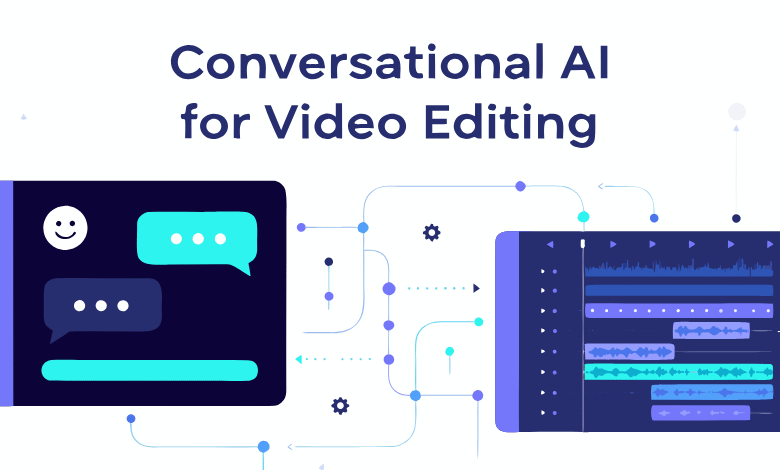
Creating dynamic video content for digital channels has traditionally required substantial manual labor. Video editors spend hours reviewing raw footage, logging timestamps, trimming takes, and aligning clips with background music and captions before fine-tuning transitions in a timeline-based non-linear editor (NLE).
While early artificial intelligence utilities focused primarily on text generation and isolated clip creation, modern post-production tools focus on operational integration. The convergence of conversational natural language processing and timeline-based editing allows creators to transform raw concepts and unedited assets into structured, multi-track timeline drafts seamlessly.
1. Deconstructing the Bottlenecks in Traditional Video Post-Production
Understanding the value of integrated AI video workflows requires examining the friction points common to traditional NLE pipelines:
┌───────────────────────────────────────────────────────────────────────────┐
│ TRADITIONAL VS. CONVERSATIONAL PIPELINES │
├───────────────────────────────────────────────────────────────────────────┤
│ Traditional NLE: Raw Footage ──► Manual Scrubbing ──► Static Assembly │
│ Generative Hub: Prompt/Clips ──► Algorithmic Sequence ──► Editable Draft│
└───────────────────────────────────────────────────────────────────────────┘
- Footage Scrubbing Overhead: Manually sifting through multi-camera recordings or high-volume B-roll to identify usable clips consumes significant time prior to assembly.
- Static Asset Output: Basic text-to-video generators output flattened MP4 files that offer minimal control over individual layers, text positions, or specific cut timing.
- Narrative Alignment Constraints: Translating a creative script into visual scene beats requires continuous manual matching between asset libraries and timeline markers.
2. Unifying Conversational Planning with Timeline Control
Combining large language models with modern editing software shifts how creators interact with post-production suites. Instead of manually assembling every element from scratch, editors can interact conversationally to generate an initial structural layout.
By leveraging a ChatGPT video editor free integration, creators can upload raw media files, set narrative parameters, define target aspect ratios, and request initial timeline layouts using natural language instructions. The underlying engine processes input assets, trims silent gaps, selects relevant visual clips, and arranges them into an editable multi-track project file.
[Upload Raw Footage & Creative Brief] ──► [AI-Assisted Clip Selection & Scene Plan] ──► [Editable Multi-Track Draft]
This hybrid approach ensures full creative direction remains with the human editor. Once the initial timeline draft is assembled, creators can fine-tune clip durations, adjust audio layers, apply custom visual effects, and refine typography directly on the timeline interface.
3. Structural Matrix: Production Framework Performance Across Video Workflows
Evaluating different video assembly methods highlights how hybrid conversational workflows optimize efficiency without sacrificing creative control.
| Production Metric | Standalone Text-to-Video Generators | Traditional Manual NLE | Conversational AI + Timeline Integration |
|---|---|---|---|
| Primary Input Method | Single text prompt. | Manual media import and manual placement. | Multimodal: Text prompts + raw media uploads. |
| Output Format | Flattened, single-layer video file. | Multi-track timeline project. | Editable Draft Timeline: Fully customizable tracks. |
| Footage Selection | Generates synthetic imagery from memory. | Manual clip logging and trimming. | Algorithmic Selection: Auto-filters and orders source clips. |
| Post-Edit Flexibility | Low (requires complete re-generation). | Maximum (complete manual control). | High: Instant timeline manipulation and layer adjustment. |
4. Best Practices for Implementing AI Video Editing Workflows
To achieve the cleanest results when deploying conversational editing utilities, media teams should follow a structured intake and refinement strategy:
- Define Detailed Structural Instructions: Specify aspect ratios (e.g., $9:16$ for mobile vertical, $16:9$ for widescreen broadcast), target overall duration, and tone preferences in your initial prompt.
- Organize Input Media Prior to Import: Provide clean, well-organized source footage to help the processing engine identify optimal cut points and key action sequences accurately.
- Review and Fine-Tune Captions and Cuts: Treat AI-generated sequences, auto-captions, and visual overlays as flexible starting points. Audit transition points and audio balance manually before final export.
Conclusion: Elevating Human Creative Direction
Conversational editing tools represent a natural evolution in video post-production. By automating routine footage logging, initial scene selection, and rough-cut assembly while preserving multi-track timeline control, creators can reduce technical overhead and focus on crafting compelling narratives.