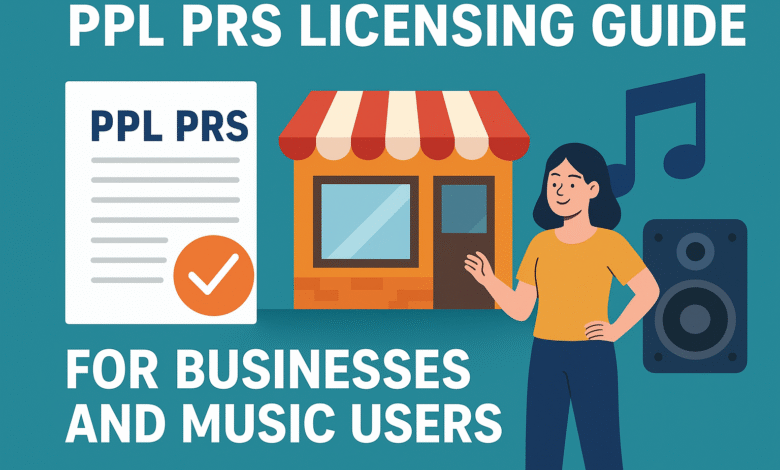
Music plays a central role in shaping customer mood, enhancing brand identity, and creating memorable environments for businesses of all sizes. Whether it’s a café trying to create a relaxing atmosphere or a gym aiming to energize its members, sound has become a powerful business tool. However, playing music commercially requires proper authorization to protect the work of artists and creators. This is where ppl prs offers a streamlined and unified approach to music licensing. By combining essential rights into one easy-to-manage solution, it helps businesses stay compliant while supporting the global music industry. Understanding how this joint license works is crucial for anyone who uses music publicly as part of their business operations.
Understanding the Purpose of PPL PRS
Why the Joint Licensing System Matters
The formation of ppl prs solved a major challenge for businesses that previously needed separate licenses for performer rights and publisher rights. This unified system simplifies the legal process by merging essential permissions into a single license. It also reduces confusion for business owners who struggled with understanding different licensing types, renewal periods, and payment schedules. Because it consolidates rights from major organizations, the coverage applies to a huge library of international music. This efficiency makes the system ideal for modern businesses that rely on music daily.
How PPL PRS Supports Music Rights
The system ensures that creators, performers, and producers receive fair royalties whenever their work is used commercially. It gives businesses the confidence to play music legally across various formats such as speakers, digital platforms, television, or live events. The unified structure also ensures that rights are protected consistently, reducing the risk of copyright infringement and legal penalties. With more businesses incorporating music into their customer experience, this form of protection has become more important than ever.
Who Needs a PPL PRS License?
Commercial Users Who Require Licensing
Any business that plays music publicly may require this license, regardless of size or industry. This covers places where customers, visitors, or employees can hear music played in the background. Many businesses use music strategically to enhance their environment, create positive impressions, or influence buying behavior. Research shows that customers tend to stay longer in spaces that use music effectively, demonstrating its real commercial value. With this in mind, obtaining the proper license becomes an essential step for maintaining legal compliance and supporting the creative sector.
What the PPL PRS License Covers
Music Usage Under a Unified License
A license allows businesses to legally play protected recordings and compositions from an extensive range of artists. This includes music broadcast through digital devices, public speakers, television systems, or live performances hosted within the business premises. The license also helps simplify the process of managing royalty obligations by combining essential music rights in one place. This reduces the administrative burden on businesses while ensuring creators receive the compensation they deserve. For any organization that relies on music to influence ambiance or customer mood, this coverage provides complete peace of mind.
Understanding Long-Tail Licensing Variations
The system also includes flexible variations that help businesses understand their specific music usage categories. These may involve different tariffs, usage types, or industry-based considerations. The goal is to ensure that companies pay only for the permissions they need without unnecessary complexity. This tailored approach keeps licensing fair and adaptable for businesses of all types and sizes.
Cost Factors Behind a PPL PRS License
What Influences the Pricing Structure
The cost of the license depends on multiple measurable elements that reflect how music is used within a business. Factors such as floor size, customer capacity, or the number of devices playing music all impact the final amount. Pricing may differ between industries depending on how frequently music is played or whether live entertainment is part of the business model. Smaller venues typically pay less, while larger or multi-location spaces may require more extensive coverage. This structure ensures that companies pay only for what represents their actual usage.
Benefits of Holding a PPL PRS License
Why Businesses Gain More Than Legal Coverage
Holding this license provides powerful advantages beyond legal compliance. Music can enhance mood, create a welcoming environment, and positively influence customer engagement. Businesses that incorporate sound effectively often see improved atmosphere and increased staff productivity. The license also shows a commitment to respecting artists and supporting the broader creative economy. Studies suggest that music can significantly influence purchasing behavior, demonstrating how meaningful sound has become for modern business environments.
How to Apply for a PPL PRS License
Simple Steps for Business Compliance
Applying for the license is a straightforward process designed to make compliance as easy as possible. Businesses typically share essential information about their premises, usage patterns, and customer environment. Once these details are reviewed, the appropriate tariff is assigned, and the license becomes active. Renewal procedures ensure ongoing coverage without interruption, helping businesses maintain long-term protection. This simple structure makes it accessible for businesses of all sizes to comply with music licensing requirements.
FAQs
What is the purpose of ppl prs?
It provides a unified music license that combines performer and publisher rights, making it easier for businesses to legally use music.
Do all businesses need this license?
Any business that plays music publicly may require a license depending on how and where the music is used.
Is the cost the same for all business types?
No, pricing depends on usage, business size, and several other measurable factors.
Does the license apply to live music?
Many forms of live music can be covered, depending on the tariff assigned to the business.
How long does the license remain valid?
It typically renews annually, ensuring businesses maintain continuous legal protection.
Can a business use royalty-free music instead?
Yes, but it must be verified as genuinely royalty-free. Most commercial tracks still require licensing.
Conclusion
A license is an essential tool for businesses that use music to enhance their environment while staying legally compliant. By combining major rights into one convenient system, it simplifies the entire process and ensures creators are fairly compensated. With clear benefits, flexible pricing, and an easy application process, the licensing structure supports both businesses and the global music community. Any organization that relies on music as part of its customer experience can greatly benefit from obtaining this reliable and comprehensive license.
ReadMore yy68kzj Comprehensive Analysis of the Blanchford Building Supplies Closure