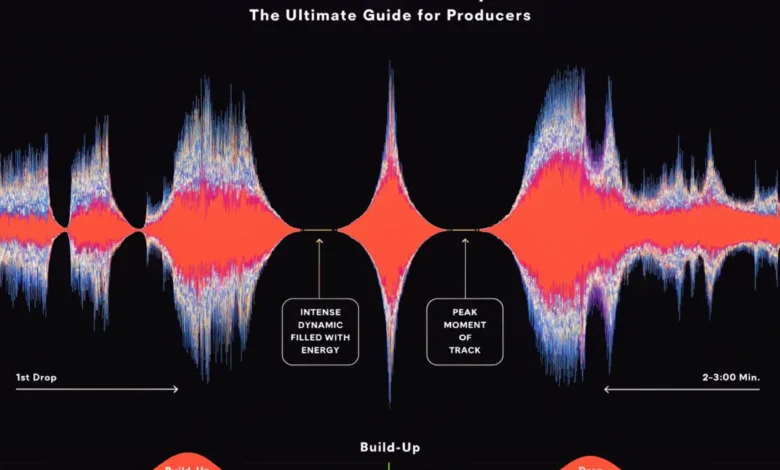
Crafting a standout track requires more than catchy melodies and rhythmic beats. One of the most important elements in music production is the drop, the high-energy moment that releases tension and elevates a track. Correctly placing a drop can transform a song, making it memorable, exciting, and engaging. Understanding when should you add a drop in a track is essential for producers seeking to maintain flow, emphasize key musical sections, and connect emotionally with listeners. A well-timed drop can energize audiences, provide contrast to calmer sections, and create a professional, polished feel. Mastering drop placement ensures that your tracks capture attention from start to finish.
What is a Drop in Music?
A drop is the moment in a track where tension built during the intro, verses, or build-up releases into a high-energy section. This often includes full instrumentation, dominant basslines, and rhythmic complexity. Drops are prominent in electronic, house, and dance music but appear in other genres, including pop, hip-hop, and trap. Properly placing a drop gives a song an emotional peak, making it more engaging and memorable. By understanding the function of a drop, producers can craft tracks that feel dynamic and intentional rather than repetitive or flat.
Why Timing Matters
The timing of a drop is crucial because it shapes the listener’s experience. A drop that occurs too early may feel abrupt and jarring, while one that is delayed too long can reduce energy and listener engagement. Strategic timing ensures that the build-up creates anticipation and the drop delivers the intended release. Correctly timed drops also help maintain cohesion across the track, allowing melodies, rhythms, and vocals to shine.
Understanding the Importance of Drops in Music
Drops provide contrast in a track, separating low-energy sections from high-energy peaks. Their placement ensures that the track flows naturally while maintaining excitement. Tracks without well-placed drops may feel monotonous or predictable. A drop serves as a climactic point, giving the audience a moment to feel the song’s energy at its highest. In electronic music, well-timed drops are often the most memorable part of a track, leaving a lasting impression on listeners.
Drops as Emotional Anchors
Drops act as emotional anchors that define the energy arc of a track. They create anticipation and provide satisfaction when tension is released. By using drops strategically, producers can guide listeners through an emotional journey, making the track more engaging and memorable.
Track Structure and Drop Placement
The structure of a song is fundamental when deciding where a drop should occur. Most tracks build tension through rising melodies, rhythmic complexity, and layering of instruments, culminating in the drop. Many successful electronic tracks place the first drop between 40 seconds and one minute, allowing the listener to become invested before releasing energy. Drops that are too early feel abrupt, while those that come too late risk losing momentum. Understanding the arrangement and energy flow of a track helps producers choose the optimal drop point for maximum impact.
Mapping the Energy Curve
Visualizing a track’s energy curve allows producers to identify peaks of tension and moments where a drop will have the most impact. Peaks indicate high anticipation, while valleys signal calmer sections. Placing the drop at the right peak ensures it feels natural and energizing, making the track more satisfying overall.
Genre-Specific Drop Placement
Different genres handle drops uniquely, influencing how and when they should be placed. Producers must understand genre conventions to meet listener expectations and maximize track engagement. EDM and house music often use extended build-ups leading to powerful drops. Rising synths, snare rolls, and filter sweeps increase tension and excitement. The drop emphasizes rhythm, bass, and melody, creating the track’s most memorable section. Correct placement ensures the drop feels impactful without disrupting the song’s flow.
Pop and Radio-Friendly Music
In pop music, drops are often more subtle and integrated into choruses or climactic vocal moments. The drop should enhance energy without overwhelming melodic or lyrical hooks. Strategic placement in these tracks ensures that the drop supports the song’s narrative while delivering a satisfying high point for listeners.
Tempo and Track Length Considerations
Tempo and song duration are important factors in determining drop placement. Faster tracks generally benefit from earlier drops to maintain momentum, while slower tracks can allow a longer build-up to increase anticipation. Matching the drop to the tempo ensures the track maintains energy and feels cohesive throughout. High BPM tracks require precise drop placement to sustain energy and rhythm. Early drops can prevent listener fatigue, while delayed drops may cause the track to feel sluggish. Understanding how tempo interacts with tension is key to creating effective, engaging drops.
Dynamics and Sound Design for Maximum Impact
The impact of a drop depends on careful control of dynamics and sound design. Adjusting volume levels, frequency balance, and layering of instruments can make drops feel powerful and clear. Contrast between high-energy drops and calmer sections enhances the sense of release, keeping listeners engaged.
Layering and Mixing
Proper layering ensures the drop feels full without overcrowding the mix. Combining bass, percussion, and melodic elements with clear separation allows the drop to stand out as the track’s centerpiece. Mixing techniques, such as EQ and compression, help maintain clarity and prevent muddiness during high-intensity sections.
Multiple Drops and Track Pacing
Tracks with more than one drop require careful pacing to maintain excitement. Well-spaced drops prevent listener fatigue and keep the track engaging. Research shows that tracks with two strategically spaced drops retain up to 35% more listener engagement compared to tracks with frequent, poorly timed drops. Proper spacing allows each drop to feel meaningful while maintaining the overall energy of the song. Strategic spacing between drops allows the audience to anticipate peaks without feeling overwhelmed. By pacing multiple drops effectively, producers ensure sustained excitement and dynamic flow throughout the track.
(FAQs)
1. What is a drop in music production?
A drop is the high-energy moment in a track where tension built during the intro, verses, or build-up releases into a dynamic section. It often features the full bass, rhythm, and melody, creating an emotional peak that engages listeners.
2. How do I know when to add a drop in a track?
Producers should place a drop after a build-up that increases tension through rising melodies, snare rolls, or filter sweeps. Observing the energy curve of a track and considering tempo, track length, and genre conventions can help determine the optimal moment.
3. How many drops should a track have?
Most tracks perform best with 1–3 drops. Two well-spaced drops often maximize listener engagement without causing fatigue, while more frequent drops can reduce the impact of each peak.
4. Does tempo affect drop placement?
Yes. Faster tracks usually require earlier drops to maintain momentum, while slower tracks can delay the drop to build anticipation. Matching the drop to the tempo ensures the track feels cohesive and natural.
5. Can drops work in pop music?
Absolutely. In pop or radio-friendly music, drops are often subtle and integrated into choruses or vocal peaks. The key is to maintain melodic and lyrical clarity while adding a high-energy section that enhances listener engagement.
Conclusion:
When Should You Add a Drop in a Track Mastering the art of drop placement is essential for producing tracks that feel dynamic, professional, and memorable. Drops define a song’s energy, emphasize key sections, and create emotional highs that captivate listeners. By carefully considering track structure, tempo, dynamics, and genre conventions, producers can craft drops that deliver maximum impact. Well-placed drops elevate listener engagement, maintain excitement, and transform ordinary compositions into standout tracks. Understanding this skill allows producers to create music that resonates across streaming platforms, radio, and live performances, leaving a lasting impression on audiences.