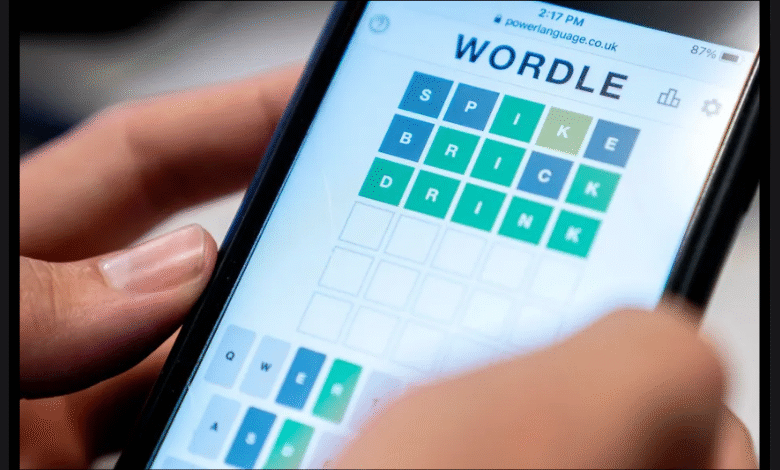
Wordle has emerged as a daily word puzzle game for those who love to solve puzzles involving words. The word game requires one to guess a secret five-letter word in six tries using colored tiles to know whether the letter is right or wrong or is not used in the word. With easy rules and a limited number of attempts, it is a great game for beginners as well as experts who can come up with different strategies to crack the word. People look for wordle solutions today to solve the puzzle of the day. There are other fun games on New York Times Games including Quordle, Connections, Waffle and Spelling Bee.
How New York Times Wordle Works and Why It Is Popular
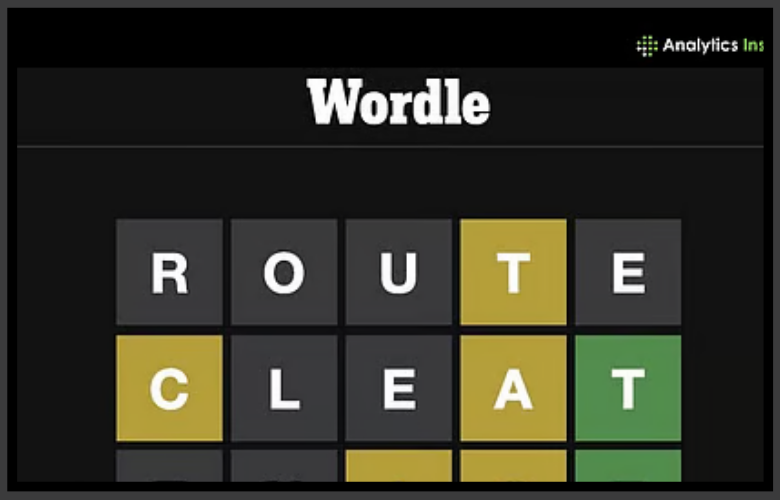
The basic rules are easy to understand. Players enter a five-letter word and receive feedback after each attempt. A green tile means the letter is correct and in the correct position. A yellow tile means the letter is included in the answer but appears in the wrong position. A grey tile normally means that the letter does not appear in the hidden word. These clues allow players to eliminate possibilities and gradually discover the solution. The game gives six guesses, so every attempt matters. Instead of entering random words, players can use each result to build a clearer picture of the answer.
The daily format is one of the biggest reasons for its popularity. Everyone receives the same puzzle for that day, creating a shared experience among friends, families and online communities. Players can compare their results without necessarily revealing the answer. This also makes the puzzle easy to fit into a daily routine. Someone may complete it with breakfast, during a lunch break or before going to bed. The short format means it does not require a large time commitment. Once the puzzle is finished, players can return the following day for a new challenge.
Another reason people continue playing is the balance between vocabulary and deduction. Knowing a large number of words can help, but it does not guarantee a quick solution. Players must also understand letter positions, common combinations and the information provided by previous guesses. Repeated letters can make some puzzles particularly difficult because a letter may appear more than once. This means the game rewards careful thinking rather than simply having a strong vocabulary.
How to Solve Wordle Today With a Better Strategy
A strong opening guess can make the rest of the puzzle easier. Many experienced players choose a word containing a useful mixture of common vowels and consonants. The purpose of the first guess is not always to find the answer immediately. Instead, it should reveal valuable information about the letters contained in the hidden word. Once the colours appear, players can use them to decide which letters should remain, which positions need changing and which possibilities should be removed.
A simple strategy can help you make better decisions:
- Start with a five-letter word containing several useful vowels and common consonants.
- Keep green letters in their confirmed positions and move yellow letters to new positions.
- Avoid repeatedly using grey letters unless you are testing a possible repeated letter.
- Use later guesses to eliminate several possible answers when you are unsure.
- Look for common English word patterns and endings.
- Check whether a known letter could appear twice when the answer seems difficult.
- Avoid rushing into a possible answer without checking all previous clues.
One important difference between beginners and experienced players is how they use an unsuccessful guess. A beginner may see a failed word as wasted effort. A stronger player sees it as information. If the guess identifies two grey letters and one yellow letter, those results can significantly reduce the number of possible answers. The objective is therefore not simply to guess the answer as quickly as possible. It is to make each attempt useful.
When you are close to the solution, consider all the information together. If you know the first, third and fifth letters, for example, think about which English words can realistically match that pattern. Do not ignore a yellow letter simply because it does not seem to fit your first idea. Move it through the available positions and consider alternative spellings. This approach can make difficult puzzles much easier without requiring an online spoiler.
Common Mistakes Players Make
One of the biggest mistakes is using guesses that provide very little new information. If several grey letters have already been identified, there is usually little value in putting those same letters into another guess. A better attempt should test new letters or investigate an uncertain position. This is particularly important when only a few guesses remain. Every attempt should help either confirm the answer or reduce the number of possible solutions.
Repeated letters are another common source of confusion. Players may identify one occurrence of a letter and assume that it cannot appear again. However, some answers contain duplicate letters. When the obvious words do not fit the available clues, check whether one of the confirmed letters could appear twice. This small adjustment can often explain a confusing colour pattern.
Rushing is also a problem. When players recognise a possible answer, they may immediately enter it without checking their previous clues. If the word is wrong, they lose a valuable attempt. It is better to pause for a few seconds and review the green, yellow and grey tiles. Think about whether every known letter is accounted for and whether another word fits the pattern better. The aim should be consistent reasoning rather than solving every puzzle in an unusually small number of guesses.
Searching for the answer too quickly can also reduce the enjoyment of the game. If you become stuck, take a moment to consider what caused the problem. Perhaps your starting word revealed a few useful letters, or perhaps you overlooked a yellow tile. Learning from these situations can gradually improve your future results.
Quordle, Connections, Waffle and Spelling Bee
The New York Times Games collection provides several alternatives for people who enjoy daily word puzzles. Quordle is a natural choice for players who have become comfortable with the standard five-letter format. It presents four puzzles at once, meaning players must manage several boards while using a limited number of guesses. The shared guesses make it more challenging because one word can reveal useful information on multiple boards. Quordle is therefore suitable for people who want a more demanding version of the familiar guessing format.
Connections is based on a different type of thinking. Players receive 16 words and must organise them into four groups of four based on a shared connection. The difficulty comes from identifying the correct relationship while avoiding misleading combinations. A word may appear to belong to one group but actually fit another category. This makes connections particularly appealing to people who enjoy word associations, categorisation and lateral thinking. Searches for connections nyt are common among players looking for help with the daily puzzle or trying to understand its format.
Waffle offers another style of challenge by using a grid of letters that players must rearrange into correct words. It is more visual and positional than a traditional five-letter guessing game. Spelling Bee focuses on building words from a collection of letters while following its daily rules. It can be especially enjoyable for people who like testing their vocabulary and discovering less obvious words. Together, these games provide variety and allow players to choose a puzzle based on the type of challenge they prefer.
Benefits, Pros and Cons and Final Verdict
Daily word games can provide an easy form of entertainment that fits into almost any schedule. They encourage players to think about spelling, vocabulary, letter patterns and relationships between words. The daily format can also create a pleasant routine, while sharing results with friends adds a social element. Players who enjoy improving their scores may find that analysing previous mistakes helps them develop better solving habits over time. The games are also flexible because a person can choose a short puzzle or spend longer exploring several challenges.
There are some disadvantages. Maintaining a long streak can create unnecessary pressure, particularly if players begin treating every puzzle as a test rather than entertainment. Looking up answers immediately can also remove much of the satisfaction that comes from solving a difficult puzzle independently. Some players may also become bored if they only use one format. Trying different games can solve this problem by introducing new styles of thinking. Quordle provides extra difficulty, Connections tests categories, Waffle focuses on arrangement and Spelling Bee encourages vocabulary exploration.
Is New York Times wordle worth playing? For most people who enjoy word puzzles, the answer is yes. The rules are simple, the daily challenge is quick and the limited number of guesses creates enough pressure to keep the game interesting. How many guesses are available? Players receive six attempts to discover the five-letter answer. What do the colours mean? Green shows the correct letter and position, yellow shows a correct letter in the wrong position, and grey normally indicates that the letter is absent. Can beginners play? Yes. The basic rules can be learned within minutes, and players can improve naturally by paying attention to the feedback. What should you do when you get stuck? Review every clue, reconsider repeated letters and look for alternative word patterns before searching for a spoiler.
Overall, Wordle remains a strong daily puzzle for anyone who wants a quick mixture of vocabulary and logic. Its greatest advantage is its simplicity: players can understand the rules quickly, yet some puzzles require careful deduction. Using informative opening guesses, tracking letter positions and learning from mistakes can make solving more consistent. Related games such as Quordle, Connections, Waffle and Spelling Bee add even more variety. Whether you want to play wordle, check wordle today or explore other daily games, the format offers an enjoyable challenge without requiring a large amount of time.
- Also Read. Wordle Hint Clues and Answer
Frequently Asked Questions
What is Wordle?
Wordle is a daily word puzzle where players have six attempts to find a hidden five-letter word. Coloured tiles provide clues after each guess.
How many guesses do you get in Wordle?
Players get six guesses to solve the daily puzzle. Each attempt gives useful clues that help narrow down the possible answer.
What do the colours mean in Wordle?
Green means the letter is correct and in the correct position. Yellow means it is correct but in the wrong position, while grey usually means it is absent.
What is the best starting word for Wordle?
A strong starting word usually contains common vowels and frequently used consonants. The aim is to discover useful letters rather than solve the puzzle immediately.
Can I play Wordle every day?
Yes, a new puzzle is normally available each day. This makes it easy to create a short daily puzzle routine and maintain a solving streak.
Conclusion
Wordle is still a fun game that one can play everyday to challenge oneself in terms of vocabulary, spelling and logic. The rules of the game are easy to understand, yet the six guess limit will give regular players enough chances to develop their own strategies. Playing Wordle with good starting words, paying attention to the colored hints and looking for duplicate letters will help solve even the hardest puzzles. For those who seek more diversity, there are other similar games like Quordle, Connections, Waffle and Spelling Bee that one might try. In any case, whether one likes to keep a daily streak or just play a Wordle of the day for some relaxation, these games are always a good way to spend a couple of minutes everyday.