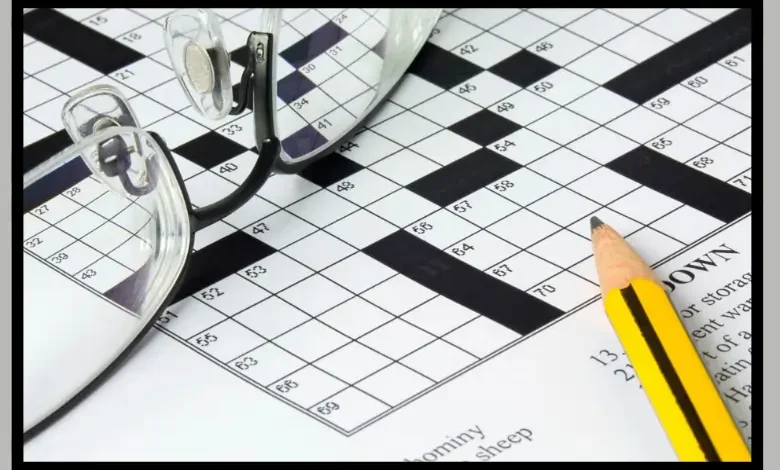
Crossword puzzles continue to be a favorite among word games due to their unique combination of challenging vocabulary, logic, and analytical skills. Of the myriad clues present in a crossword grid, the ancestry crossword clue is one that tends to catch the attention of both novice and veteran players alike. Such a clue normally refers to matters relating to genealogy, lineage, family history, or heritage. Although straightforward in definition, these clues tend to be crafted using indirect language and synonym clues that increase the difficulty of identifying the correct answer. Knowledge of how these clues function will enable faster completion of crossword puzzles while enhancing vocabulary skills.
What is Ancestry Crossword Clue?
The ancestry crossword clue refers to a crossword hint connected to family history, genealogy, inherited roots, or generational background. In crossword puzzles, ancestry-related clues are usually designed to test vocabulary knowledge and synonym recognition rather than factual information.
Crossword setters use this clue because it has broad meaning and supports many possible interpretations. Depending on the puzzle format, the clue may point toward words associated with family origin, heritage, descent, or lineage. The answer can vary according to letter count, crossing words, and overall puzzle difficulty.
This type of clue is common in both traditional newspaper crosswords and online puzzle games. It is especially popular because it connects with universal concepts that most readers understand, including family identity, historical background, and inherited culture.
Understanding the Meaning Behind Ancestry Clues
In crossword puzzles, ancestry usually represents a connection to family roots or inherited background. However, the clue is rarely intended to be interpreted literally. Instead, crossword creators use ancestry as a flexible vocabulary concept linked to multiple related meanings.
The clue may refer to:
- Family history and genealogy
- Cultural or historical background
- Generational descent
- Personal roots and identity
Because ancestry has such broad semantic meaning, crossword designers can create many different clue variations while still keeping the same core concept. This flexibility makes ancestry-related clues ideal for puzzles of all difficulty levels.
Another reason these clues are effective is that they encourage solvers to think beyond direct definitions. Crossword solving often depends on recognizing associations between words rather than relying only on literal interpretation.
Why Crossword Creators Use Ancestry-Related Clues So Often
Crossword puzzle creators carefully select clues that balance familiarity with challenge. Ancestry-related clues work particularly well because they are recognizable, adaptable, and rich in synonym possibilities.
One major reason these clues are popular is their flexibility with word length. Crossword grids require answers of varying sizes, and ancestry-related vocabulary offers many options that fit different puzzle structures.
These clues also appeal to a broad audience because family history and origin are universally understood themes. Even solvers with limited crossword experience can usually understand the general concept behind ancestry-related hints.
Additionally, ancestry clues work well in educational puzzles because they encourage vocabulary development and improve understanding of historical and genealogical terminology. This makes them useful not only for entertainment but also for language learning and cognitive training.
Long-Tail Variations Commonly Seen in Crossword Puzzles
Crossword setters often modify clue wording to increase difficulty and prevent repetition. Instead of using identical phrasing, they create variations that maintain the same meaning while changing the wording structure.
Common ancestry-related variations may involve:
- Family origin references
- Heritage-based clues
- Genealogy-related wording
- Historical background hints
Recognizing these variations is an important crossword-solving skill. Experienced players learn to focus on the underlying meaning rather than the exact wording of the clue.
Understanding semantic relationships between words is especially important in crossword solving because clues are intentionally designed to challenge interpretation and vocabulary flexibility.
Effective Strategies for Solving Crossword Clues
Successful crossword solving requires more than vocabulary knowledge alone. Skilled solvers use structured methods that improve accuracy and reduce guessing.
The first step is always checking the required number of letters. This immediately narrows the range of possible answers and helps eliminate incorrect assumptions.
The next step involves analyzing crossing letters from completed answers. Crossword grids are interconnected systems, meaning every solved word provides additional information for surrounding clues. Even one or two confirmed letters can reveal valuable patterns.
After identifying letter patterns, solvers should think about related meanings and synonym groups. In ancestry-related clues, ideas connected to heritage, origin, descent, and family history are particularly important.
Common Mistakes Crossword Solvers Should Avoid
Many crossword-solving mistakes occur because players rush or overcomplicate clues. Ancestry-related hints are especially vulnerable to these issues because they can support multiple interpretations.
One common mistake is ignoring simple meanings while searching for overly technical vocabulary. Crossword creators often prefer familiar language, especially in standard daily puzzles.
Another frequent error is failing to use crossing letters properly. Some solvers attempt to complete clues independently without considering intersecting words, which increases the likelihood of incorrect answers.
Impatience can also create problems. Crossword solving requires careful observation and logical thinking. Rushing through difficult clues often leads to avoidable mistakes and unnecessary frustration.
Experienced solvers understand that flexibility and patience are essential for interpreting clue meaning correctly.
How Vocabulary Knowledge Improves Crossword Skills
Vocabulary development plays a central role in crossword-solving success. The larger a solver’s vocabulary becomes, the easier it is to recognize synonym relationships and hidden clue meanings.
Reading books, articles, and educational content regularly strengthens word recognition and contextual understanding. Exposure to historical, cultural, and genealogical terminology is especially useful for ancestry-related crossword clues.
Crossword puzzles themselves also improve vocabulary over time. Regular puzzle practice introduces solvers to new expressions, uncommon terms, and alternative meanings that expand language knowledge.
As players gain experience, they begin recognizing clue patterns automatically. This combination of vocabulary strength and pattern familiarity allows advanced solvers to complete puzzles more quickly and accurately.
(FAQs)
What does ancestry mean in crossword puzzles?
In crossword puzzles, ancestry usually refers to family history, origin, heritage, or generational background. The clue often tests synonym knowledge rather than direct definitions.
Why are ancestry-related clues common in crosswords?
These clues are common because they are flexible and can fit many puzzle styles and word lengths. Crossword creators also use them because they connect with familiar topics like family and history.
How can I solve difficult crossword clues faster?
You can solve difficult clues faster by checking the number of letters, using crossing words, recognizing synonym patterns, and practicing vocabulary regularly.
Are crossword clues always literal?
No, crossword clues are often indirect or synonym-based. Many clues are designed to test interpretation, word association, and vocabulary understanding instead of literal meanings.
What is the best way to solve ancestry crossword clue?
The best way to solve the ancestry crossword clue is by checking the letter count, analyzing crossing words, and thinking about synonyms related to family history, heritage, and origin.
Conclusion
In essence, it is easier for people who have a good understanding of clues that incorporate synonyms. In particular, clues that relate to ancestry are very common in crosswords due to their association with topics such as family history, origin, heritage, and genealogy. As difficult as these clues might look, solving them is quite easy once one considers factors such as patterns of letters in each clue, intersecting words, and the context. Through solving these kinds of crosswords, individuals develop strong vocabulary, logical reasoning, and pattern detection skills.