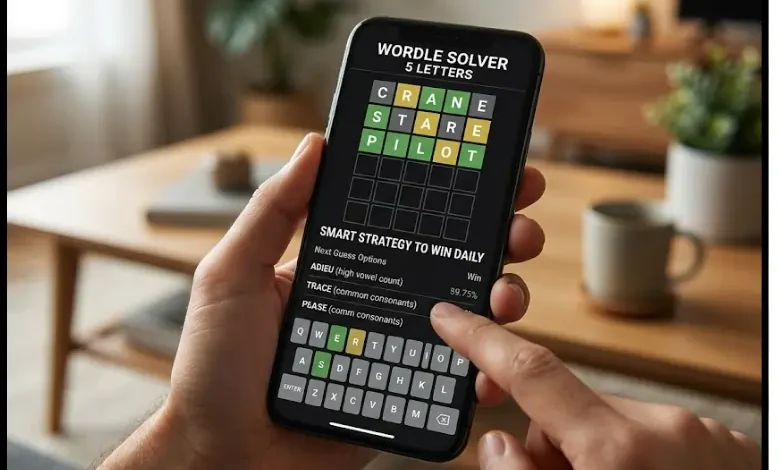
The daily puzzle from Wordle has become a popular routine across the UK, offering a quick yet surprisingly challenging mental workout. While the concept is simple—guess a five-letter word in six attempts—the reality is often more complex, especially when you are left with only one or two guesses. This is where a wordle solver 5 letters approach becomes valuable, not as a shortcut, but as a smarter way to play.
Instead of relying on luck, a structured method helps you interpret feedback, eliminate incorrect options, and make decisions based on logic. Whether you are checking the puzzle each morning or looking to maintain a long winning streak, understanding how to approach the game strategically can significantly improve your results. This guide explores practical strategies, real-world use, and clear insights that go beyond basic advice, helping you play with confidence and consistency.
What a Wordle Solver Really Is
A Wordle solver is best understood as a thinking framework rather than just a digital tool. It is a method that uses the information provided after each guess to reduce the number of possible answers. Every tile colour carries meaning, and learning to interpret that meaning correctly is the foundation of success.
Green tiles confirm that a letter is both correct and correctly placed, which allows you to lock that position in future guesses. Yellow tiles indicate that a letter exists in the word but needs repositioning, encouraging you to experiment with placement. Grey tiles eliminate letters entirely, helping you avoid repeating mistakes. When these clues are combined effectively, they guide you towards the solution in a logical and predictable way.
This approach transforms the puzzle from a guessing game into a structured problem-solving exercise. It encourages careful thinking, attention to detail, and consistent decision-making, which are all essential for improving performance over time.
Benefits of Using a Structured Solving Approach
Adopting a structured approach offers several meaningful advantages that go beyond simply getting the correct answer. One of the most noticeable benefits is consistency, as players who follow a clear method tend to solve puzzles more reliably compared to those who rely on instinct alone. Over time, this consistency builds confidence and reduces the uncertainty that often comes with difficult puzzles.
Another important benefit is efficiency. By focusing on gathering useful information early, you can avoid wasting guesses and reach the solution faster. This is particularly helpful for players who fit the puzzle into a busy schedule and want a quick yet satisfying challenge.
In addition, a structured approach strengthens cognitive skills such as pattern recognition and logical reasoning. You begin to notice recurring letter combinations and familiar word structures, which naturally improves your ability to solve future puzzles. The overall experience becomes more enjoyable because each guess feels purposeful rather than random.
Real-Life Use Cases and Practical Examples
Many regular players already apply elements of a solver strategy without consciously recognising it. For instance, starting with a balanced word that includes common vowels and consonants, followed by a second guess that introduces completely new letters, is a clear example of structured thinking in action. This approach maximises the amount of information gathered within the first two attempts.
In practice, players who maintain long winning streaks often rely on consistent habits. They avoid repeating letters too early, carefully analyse feedback, and adjust their guesses based on previous results. This disciplined approach mirrors the logic behind a solver and demonstrates how effective it can be in real gameplay situations.
Beyond casual play, these techniques are also used in educational environments to support language learning. By encouraging players to analyse patterns and think critically, the puzzle becomes a useful tool for developing vocabulary and problem-solving skills, making it valuable beyond simple entertainment.
Why Players Prefer a Solver-Based Approach
The appeal of a solver-based approach lies in the sense of control it provides. Instead of hoping for the correct answer, players actively work towards it using clear and repeatable steps. This makes the game feel more rewarding because success is achieved through reasoning rather than chance.
Another reason players prefer this method is the ability to maintain consistency. Losing a streak can be frustrating, especially after several successful days. A structured approach reduces that risk by guiding each guess with logic, making outcomes more predictable.
Efficiency is also a key factor. Many players do not want to spend unnecessary time on trial and error, particularly when they are playing during a short break. A well-planned strategy allows them to complete the puzzle quickly while still enjoying the challenge. This balance between speed and accuracy is one of the main reasons why a solver mindset has become so popular.
Pros and Cons of Using a Solver Strategy
Advantages:
- Improves accuracy and consistency over time
- Reduces unnecessary guesses and confusion
- Encourages logical thinking and analysis
- Makes the puzzle more structured and manageable
Drawbacks:
- May reduce the sense of challenge if used excessively
- Can feel less spontaneous for some players
- Over-reliance may slow independent skill development
Understanding both sides helps you use a solver approach effectively, ensuring that it enhances the experience without removing the enjoyment.
Effective Strategies for Better Results
A strong solving strategy begins with selecting an effective opening word. Words that include a mix of common vowels and consonants provide the best starting point, as they increase the likelihood of revealing useful information early. This first step sets the tone for the entire puzzle and can significantly influence the outcome.
The second guess should focus on introducing new letters rather than repeating the same ones. This allows you to gather additional clues and refine your understanding of the possible solutions. As the puzzle progresses, attention should shift towards letter placement, ensuring that confirmed letters remain fixed while misplaced letters are tested in different positions.
Another key element is recognising common word patterns. Familiar endings and combinations often appear in the puzzle, and identifying these patterns can help you make more accurate guesses. By combining these techniques, you create a reliable system that works across different puzzles and difficulty levels.
Exploring Longer Word Variations
While the standard puzzle uses five-letter words, many players are now exploring longer variations that add an extra layer of complexity. These versions follow the same principles but require more careful analysis due to the increased number of possible combinations.
With additional letters, each guess becomes even more important, as the amount of information needed to narrow down the answer grows significantly. A structured approach helps manage this complexity by ensuring that every guess contributes meaningfully to the solving process.
For players who enjoy a greater challenge, these extended versions provide an opportunity to apply the same logical thinking in a more demanding context. They highlight the importance of consistency and reinforce the value of a well-developed solving strategy.
Common Mistakes That Limit Success
One of the most frequent mistakes is failing to use feedback effectively. Ignoring the information provided by previous guesses can lead to repeated errors and wasted attempts. Each clue should be carefully considered before making the next move.
Another common issue is repeating letters too early in the puzzle. This limits the amount of new information gained and slows down the solving process. It is generally more effective to explore different letters first before focusing on specific combinations.
Rushing decisions is also a problem for many players. Taking a moment to analyse the current state of the puzzle can make a significant difference, leading to more accurate and confident guesses. Avoiding these mistakes helps maintain a clear and effective strategy.
Is It Worth Using a Wordle Solver Approach
For most players, adopting a structured solving method is well worth it. It provides a clear path to improvement, making it easier to achieve consistent results and enjoy the game more fully. By reducing reliance on luck, it turns the puzzle into a skill-based activity that rewards careful thinking.
However, the key is balance. Relying entirely on external tools can reduce the sense of accomplishment, while using a solver as a guide enhances both understanding and performance. Many players find that combining independent thinking with structured strategies offers the best experience.
Ultimately, the value of a solver approach depends on how it is used. When applied thoughtfully, it strengthens your skills and makes each puzzle more engaging.
Tips for Long-Term Improvement
- Choose balanced opening words with common letters
- Avoid repeating letters in early guesses
- Analyse feedback carefully before each move
- Practise solving puzzles without assistance
- Learn common word patterns and structures
These habits help you build a strong foundation and improve steadily over time.
(FAQs)
What is the best way to start a Wordle puzzle?
Begin with a word that includes common vowels and consonants to maximise early information.
Does using a solver make the game easier?
Yes, but it also helps you understand the logic behind the puzzle, improving your skills over time.
Are longer Wordle versions more difficult?
Yes, because they involve more possible combinations and require more detailed analysis.
How can I improve my solving speed?
Focus on gathering useful information early and avoid repeating letters unnecessarily.
Is Wordle still popular in the UK?
Yes, it remains a widely played daily puzzle enjoyed by people of all ages.
Conclusion
A wordle solver 5 letters approach transforms the puzzle into a structured and rewarding experience. By using logic, analysing feedback, and applying consistent strategies, you can improve both your accuracy and confidence.
The key to success lies in balance. Using a solver mindset as a guide allows you to develop your skills while still enjoying the challenge. Over time, you will notice steady improvement, with puzzles becoming easier and more satisfying to complete.
Whether you play casually or aim to maintain a daily streak, adopting a thoughtful and strategic approach ensures that every puzzle feels engaging and worthwhile.