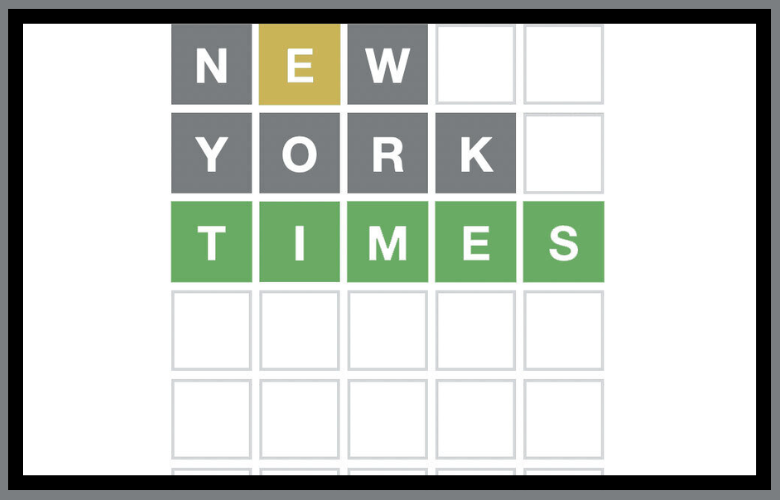
The nytimes wordle game is among the most popular word puzzles globally, where millions of players have found enjoyment while trying to prove themselves in terms of vocabulary, analytical, and pattern recognition skills. This game may seem easy at first glance, but it is quite engaging for users since they have to guess the hidden five-letter word using only a few attempts. This game is an official publication of The New York Times and has gained significant credibility due to its high reputation. In addition, many people have continued playing this game for a long time since it provides them with entertainment while training their minds.
What Makes This Daily Word Puzzle So Popular
The popularity of this daily word puzzle comes from its perfect balance of simplicity and challenge, which appeals to a wide audience. Players are not required to have advanced vocabulary skills, yet they are still encouraged to think critically and analyze each guess carefully. This makes the game suitable for both casual users and serious puzzle enthusiasts. Each session is short, usually lasting only a few minutes, which makes it easy to include in daily routines without requiring a large time commitment.
Another reason for its popularity is the shared daily experience. Every player around the world receives the same puzzle, which creates a sense of global connection. People often discuss their results, compare strategies, and challenge friends, turning a simple word game into a social activity. The game’s design encourages repeated engagement without becoming repetitive or boring. This combination of accessibility, challenge, and social interaction has made it a long-lasting digital trend.
Basic Rules You Need to Understand First
Understanding the rules is the first step to performing well in this puzzle. Players are given six attempts to guess a hidden five-letter word, and each attempt must be a valid English word. After each guess, the game provides feedback that helps guide future attempts. This feedback is delivered through a color-coded system that indicates how close the guess is to the correct answer.
Green indicates that a letter is correct and in the correct position, yellow shows that the letter exists in the word but is in the wrong position, and gray means the letter is not part of the solution at all. This system transforms the game from random guessing into a logical process of elimination. The challenge lies in interpreting this feedback correctly and using it to refine each new guess. Over time, players learn to rely on these signals more effectively, improving their success rate.
How the Feedback System Shapes Your Strategy
The feedback system is the most important element of the game because it directly influences every decision a player makes. Instead of guessing blindly, players must analyze each result carefully and adjust their strategy accordingly. Every color change provides valuable information that narrows down possible answers.
For example, when a letter turns green, it confirms both the letter and its correct position, which becomes a fixed part of the solution. Yellow letters must be repositioned in future guesses, while gray letters should be completely avoided. This process of elimination gradually reduces uncertainty and brings players closer to the correct answer. The more effectively a player uses feedback, the fewer attempts they need to solve the puzzle.
Smart Starting Approaches for Better Results
Starting the game with a strong opening word can significantly improve overall performance. A good starting word typically includes a mix of common vowels and frequently used consonants. This allows players to quickly identify which letters are present in the solution and which are not. Early information is extremely valuable because it shapes all future guesses.
Once the first guess is made, players should carefully analyze the feedback before proceeding. Instead of rushing into another random word, it is better to build on the information already discovered. This method reduces wasted attempts and increases efficiency. Over time, experienced players develop preferred starting words that consistently give them useful early clues.
Advanced Thinking Techniques for Consistent Success
As players gain experience, they begin to develop more advanced strategies based on pattern recognition and logical deduction. One important technique is recognizing common word structures, such as frequent endings and letter combinations. English words often follow predictable patterns, and understanding these can significantly reduce the number of possible answers.
Another advanced approach is thinking in terms of probability rather than certainty. Instead of trying to guess the exact word immediately, skilled players focus on narrowing down the possibilities step by step. They use each guess to eliminate large groups of potential words. This structured thinking process makes solving the puzzle faster and more reliable over time.
Common Mistakes That Reduce Your Success Rate
Many players struggle not because the puzzle is too difficult, but because they repeat simple and avoidable mistakes. One of the most common errors is ignoring previous feedback and reusing letters that have already been ruled out. This wastes valuable attempts and reduces the chances of solving the puzzle within the allowed number of guesses.
Another frequent mistake is becoming too focused on a single idea too early in the game. When players commit to one possible solution without exploring alternatives, they limit their chances of success. Flexibility is essential because the correct answer may not match initial expectations. Some players also rush their guesses without fully analyzing the available information, which often leads to unnecessary errors.
Building Consistency and Long-Term Improvement
Improving at this puzzle requires regular practice and a thoughtful approach to learning from each attempt. Over time, players begin to recognize common patterns and develop a stronger intuition for possible word structures. This natural improvement comes from repeated exposure and careful analysis of past mistakes.
Another important habit is reviewing each game after completion. Even if the puzzle is solved successfully, understanding why certain guesses worked can help improve future performance. This reflective approach strengthens problem-solving skills and leads to more consistent results. With time and practice, players become more efficient and confident in their decisions.
Why This Game Became a Global Phenomenon
The global success of this word puzzle can be attributed to its simplicity, accessibility, and social engagement. It requires no special skills or equipment, yet still provides a meaningful challenge that keeps players engaged daily. The short duration of each game also makes it easy to integrate into everyday life.
Another major factor is the shared experience of solving the same puzzle worldwide. This creates a sense of community and friendly competition among players. People often share their results and strategies, turning a simple game into a global conversation. Its association with The New York Times further enhances its credibility and long-term appeal.
(FAQs)
1. What is NYTimes Wordle?
It is a daily five-letter word puzzle where players have six attempts to guess the correct word. Each guess provides color-coded feedback to help guide future attempts. It is published by The New York Times and played by millions worldwide as a fun daily brain challenge.
2. How many attempts do players get?
Players are given six attempts to correctly guess the hidden five-letter word. Each attempt gives feedback that helps eliminate wrong letters and improve the next guess.
3. What do the colors mean in the game?
Green means the letter is correct and in the right position, yellow means the letter is correct but misplaced, and gray means the letter is not part of the word at all.
4. Can everyone play the same daily puzzle?
Yes, all players around the world receive the same daily word puzzle. This shared challenge creates a global community where people compare results and strategies.
5. What are the best starting words?
Good starting words usually include a mix of vowels and common consonants. Words like CRANE, SLATE, or AUDIO are often used because they reveal useful early clues.
Conclusion
In conclusion, the nytimes wordle is not just another typical word challenge but a regular brain exercise that improves vocabulary, logic, and pattern finding skills. The simplicity of the game is the reason why anyone can play it, and at the same time, the complexity of the game will ensure you play regularly. Regular participation and intelligent guessing tips can make sure you do well and see good progress in the game. As a product of The New York Times, it has become increasingly popular as a worldwide sensation.