TheSerpentRogue Competitive Edge: How Strategy Knowledge and Preparation Define Mastery

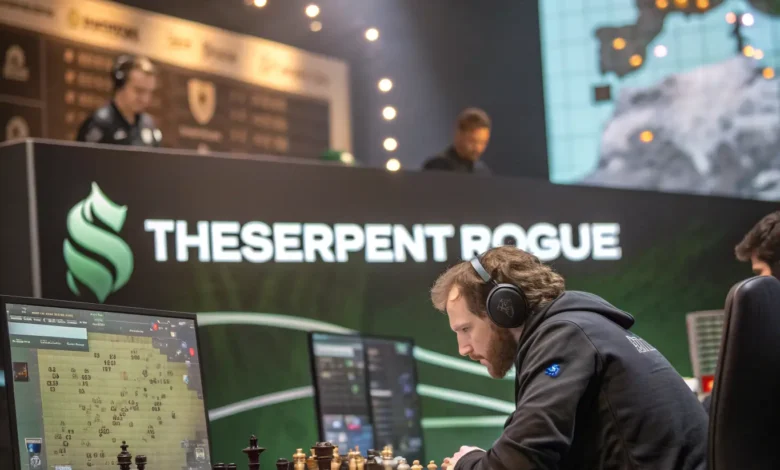
The theserpentrogue competitive edge is rooted in a gameplay philosophy that values intelligence, patience, and system mastery over reflexive action. Unlike many roguelikes that reward fast reactions and brute force, The Serpent Rogue emphasizes deliberate planning and careful consideration. Every decision, from crafting to exploration, has consequences that can affect the outcome of an entire run. Players who invest time in understanding the mechanics find themselves consistently outperforming those who rely solely on combat skill. This approach transforms the game into a deeply rewarding intellectual challenge where knowledge becomes a true form of power. Mastery emerges naturally over time through observation, experimentation, and reflection.
What Is TheSerpentRogue Competitive Edge?
The theserpentrogue competitive edge refers to the advantage that players gain by understanding and leveraging the game’s complex, interconnected systems. Unlike traditional measures of power, such as stronger weapons or higher character stats, this competitive edge comes from knowledge and foresight. Players who understand how alchemy interacts with environmental hazards, enemy behaviors, and world corruption are able to plan strategies that others may not even consider. This knowledge-based advantage compounds over time, allowing experienced players to progress efficiently while minimizing risks. It is a skill that rewards careful study, experimentation, and the ability to anticipate challenges before they arise.
Why Competitive Edge Matters for Progression
The competitive edge is essential for consistent progress. In The Serpent Rogue, understanding the game’s mechanics allows players to navigate complex environments safely, craft potent items, and manage threats effectively. Those who neglect these systems often find themselves overwhelmed, while careful players maintain control and predictability. This learning-based approach ensures that every failure becomes a lesson rather than a setback. Players gradually internalize patterns, turning seemingly insurmountable challenges into opportunities for strategic decision-making. As a result, the competitive edge is not just an advantage; it becomes the foundation of long-term mastery and sustained success.
Why The Serpent Rogue Feels Different From Other Roguelikes
The Serpent Rogue distinguishes itself from other roguelikes through its interconnected world design, which forces players to consider every action carefully. Combat, crafting, and exploration are deeply linked, and poor decisions in one area can ripple through the rest of the game. This interdependence reinforces the theserpentrogue competitive edge, as players who understand cause and effect are able to mitigate threats and optimize progression. Unlike more straightforward roguelikes, The Serpent Rogue slows the pace, encouraging observation and planning over impulsive action. This design makes the experience feel cerebral and rewarding, emphasizing strategy over reflex.
A Systems-Driven Experience That Rewards Thinking
The game’s systems are designed to challenge the player’s ability to adapt and think ahead. Environmental hazards, enemy AI patterns, and resource scarcity all require careful consideration. Players who understand these dynamics can maintain control over the game world, while those who do not may find themselves at a disadvantage. This emphasis on knowledge and planning highlights why the theserpentrogue competitive edge is so important. Mastery is less about quick reactions and more about understanding and leveraging complex interactions.
Alchemy as the Foundation of theSerpentRogue Competitive Edge
Alchemy plays a central role in The Serpent Rogue, influencing nearly every aspect of gameplay. Ingredients have multiple properties that are revealed through experimentation and observation. Players who master alchemy gain the ability to alter combat outcomes, survive environmental threats, and control the spread of corruption. This system is at the heart of the theserpentrogue competitive edge, as preparation and foresight are more valuable than brute strength. Players who ignore alchemy often struggle to progress, while those who embrace it gain versatility and resilience, making each run more manageable and rewarding.
The Relationship Between Alchemy and Survival
Survival in The Serpent Rogue is heavily tied to crafting and alchemy. Potions, elixirs, and crafted items provide critical advantages that weapons alone cannot achieve. Players who invest time in mastering these systems can turn potentially dangerous encounters into manageable challenges. The ability to predict outcomes and prepare accordingly reinforces the theserpentrogue competitive edge, ensuring that knowledge consistently outweighs raw combat skill. Alchemy becomes a strategic tool that shapes every decision, further emphasizing the game’s focus on thoughtful, informed play.
World Corruption and Its Role in Competitive Advantage
World corruption in The Serpent Rogue is a dynamic system that changes the game environment in response to player decisions. Ignoring corruption allows it to spread, creating stronger enemies and reducing resources, while careful management stabilizes the world. Controlling corruption effectively enhances the theserpentrogue competitive edge, as players who intervene strategically maintain a safer and more predictable environment. Timing is critical, as acting too early or too late can have negative consequences. Understanding and managing this system separates experienced players from novices, reinforcing the value of strategic foresight.
Strategic Timing and Corruption Control
The challenge lies not only in controlling corruption but in knowing when to act. Players who intervene at the optimal moment conserve resources and reduce long-term difficulty. This timing-based decision-making is a key aspect of the theserpentrogue competitive edge. It rewards players who observe, plan, and execute actions carefully rather than relying on brute force. By mastering timing and intervention, players can maintain control and gain an advantage that grows stronger over time.
Risk Management as a Core Skill
Managing risk is central to achieving the theserpentrogue competitive edge. Not all battles or exploration paths are safe, and understanding which threats to engage and which to avoid is crucial. Players who carefully assess danger preserve resources, avoid unnecessary deaths, and improve their chances of long-term success. Retreating when necessary is not a sign of weakness but a demonstration of strategic thinking. Over time, this careful evaluation of risk transforms survival into a skill-based challenge, reinforcing the game’s focus on intelligent play.
How Smart Retreats Improve Long-Term Success
Knowing when to pull back allows players to regroup and plan better approaches for future encounters. Smart retreats preserve resources and reduce frustration while providing an opportunity to analyze mistakes. This reflective practice contributes to the theserpentrogue competitive edge by turning failures into learning opportunities. Over multiple runs, this strategy leads to cumulative improvement and a deeper understanding of the game’s mechanics. Patience and reflection become just as valuable as action.
Death as a Learning Tool Rather Than a Penalty
Death in The Serpent Rogue serves as a feedback mechanism rather than a punishment. Each failed attempt highlights gaps in preparation, knowledge, or decision-making. Players gain insight into enemy behavior, environmental hazards, and system mechanics. This learning process reinforces the theserpentrogue competitive edge, as knowledge gained from failure translates directly into improved performance in subsequent runs. By framing death as a teacher rather than a punishment, the game encourages experimentation and careful study, ensuring that mastery is earned through experience.
Building Experience Across Multiple Runs
Even when progress resets after death, players carry forward the lessons learned. Over time, they internalize patterns, predict enemy behaviors, and refine their strategies. This incremental improvement emphasizes skill and understanding over repetition or grinding. Players who embrace this system develop a sense of confidence and intentionality, transforming uncertainty into control. The cumulative experience strengthens the theserpentrogue competitive edge, highlighting the value of thoughtful, informed play.
Adaptive Playstyles and Strategic Flexibility
The Serpent Rogue discourages reliance on rigid strategies, encouraging players to adapt continuously. Each area presents unique environmental conditions and enemy behaviors that require flexible responses. Players who cling to a single approach often struggle, while those who remain adaptable maintain an advantage. This strategic flexibility enhances the theserpentrogue competitive edge, as situational awareness and adaptability become key determinants of success. Players must constantly evaluate circumstances and adjust tactics, making mastery a dynamic and ongoing process.
Adapting to Environments and Enemy Behavior
Environmental differences and enemy variations demand tailored strategies. Players who recognize patterns and adjust their approach accordingly are better equipped to overcome challenges. This adaptability reinforces the theserpentrogue competitive edge, as situational awareness often outweighs raw power. By observing, analyzing, and adjusting, players transform obstacles into opportunities, demonstrating true mastery of the game’s mechanics.
Knowledge as the True Power Curve
In The Serpent Rogue, knowledge replaces traditional power progression. Understanding ingredient properties, enemy patterns, and environmental mechanics provides advantages that cannot be gained through upgrades alone. This knowledge-driven system defines the theserpentrogue competitive edge in a way that feels fair and skill-based. Veteran players succeed because they have internalized the game’s logic and patterns, not because they possess better equipment. Mastery comes from learning and observation rather than grinding. Over time, experience transforms uncertainty into predictable outcomes, creating a sense of confidence and competence.
Long-Term Mastery Through Understanding
As players internalize systems and mechanics, gameplay becomes smoother and more controlled. Threats are anticipated rather than reacted to, and challenges become opportunities for strategic execution. This long-term mastery reinforces the theserpentrogue competitive edge, as experience compounds with each run. The game rewards patience and intelligence, providing a deeply satisfying experience that emphasizes learning over luck.
(FQRS)
What is theSerpentRogue competitive edge?
The theserpentrogue competitive edge is the advantage gained by players who master the game’s systems. It focuses on strategy, planning, and knowledge rather than raw combat power. Players who understand mechanics like alchemy, corruption, and enemy behavior consistently outperform others.
How does alchemy contribute to theSerpentRogue competitive edge?
Alchemy is a key factor in establishing the theserpentrogue competitive edge. Crafting potions and experimenting with ingredients allows players to control combat outcomes, survive environmental hazards, and optimize resources. Mastery of alchemy gives strategic flexibility that is vital for long-term success.
Why is managing corruption important for competitive advantage?
World corruption affects enemy strength, resource availability, and environmental danger. Players who manage corruption efficiently gain the theserpentrogue competitive edge by maintaining control and preventing escalating difficulty. Ignoring it leads to compounding challenges that can hinder progress.
How does death affect theSerpentRogue competitive edge?
Death serves as a learning tool rather than a punishment. Each failure highlights gaps in preparation, strategy, or knowledge. Players who reflect on these mistakes strengthen the theserpentrogue competitive edge, improving decision-making and performance in future runs.
Can strategic flexibility improve competitive performance?
Adaptability is essential for the theserpentrogue competitive edge. The game requires players to adjust strategies based on enemy behavior and environmental conditions. Those who adapt dynamically progress more efficiently and survive longer than players who rely on fixed tactics.
Conclusion
The theserpentrogue competitive edge is built on strategy, preparation, and a deep understanding of the game’s mechanics. Players who master alchemy, manage corruption, and adapt their strategies gain a consistent advantage over others. The game rewards thoughtful decision-making and learning from each run, making progress feel earned rather than forced. By emphasizing knowledge over brute force and patience over impulsive action, The Serpent Rogue offers a uniquely satisfying and challenging experience. For players who value strategy, planning, and long-term mastery, understanding and leveraging the theserpentrogue competitive edge is the key to success.