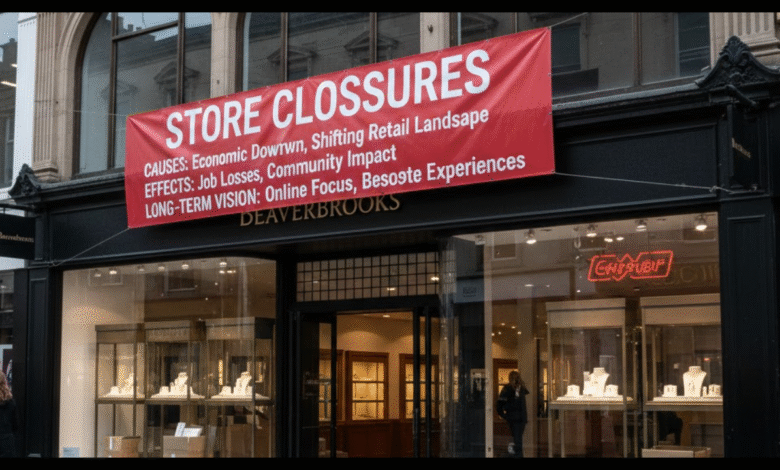
The announcement of beaverbrooks store closures highlights the changing landscape of UK retail. Rising operational costs, higher wages, and shifting consumer behavior have prompted retailers to reassess their physical footprint. Beaverbrooks conducted a comprehensive review to determine which stores consistently underperformed. Only locations facing long-term challenges were selected for closure, showing a strategic rather than reactive approach. This decision demonstrates how companies must adapt to market changes while protecting brand reputation. Customers have been reassured that most stores remain fully operational and accessible. Analysts suggest these closures are indicative of broader trends in heritage retail. Understanding the rationale behind the closures provides context for both customers and employees.
Who Is Beaverbrooks and Why the Brand Matters
Beaverbrooks is a family-owned jewellery retailer with a strong heritage in the UK market. The brand is known for its fine jewellery, luxury watches, and personalized customer service that prioritizes quality and expertise. Over decades, Beaverbrooks has built strong consumer trust and loyalty through consistent product quality and ethical business practices. The company emphasizes stability and long-term planning rather than rapid expansion. This background explains why beaverbrooks store closures are a deliberate, strategic decision rather than an indication of financial trouble. Analysts highlight that this approach protects the brand’s reputation while enabling sustainable growth. Even after closures, the company remains highly respected in the jewellery sector. Loyal customers continue to rely on its expertise and high standards.
Beaverbrooks Store Closures and Location Strategy
The confirmed beaverbrooks store closures followed a thorough evaluation of store performance across multiple factors. Sales history, customer footfall, and operational costs were carefully analyzed over several years. Locations showing consistent underperformance were selected for closure to optimize the network. Despite these closures, the majority of Beaverbrooks stores remain open across the UK. Focusing on stronger stores allows the business to concentrate resources and deliver a superior customer experience. Analysts note that such selective closures are part of a modern retail strategy to ensure long-term sustainability. Employees and customers were informed early to reduce disruption and maintain trust. Overall, this approach strengthens operational efficiency and secures the brand’s future.
How Store Performance Was Analyzed
Beaverbrooks relied on long-term data rather than short-term sales trends when evaluating stores for closure. Factors such as footfall, overlapping coverage with nearby stores, and cost efficiency were considered. Leadership also examined market trends and competitor presence before making final decisions. The process allowed for objective, data-driven decisions rather than speculation. Stores were reviewed for sustainability and profitability over a multi-year period. The beaverbrooks store closures were therefore justified with careful planning. Retail analysts emphasize that this approach reflects responsible and strategic business management. Customers could still access convenient store locations without compromising service.
Factors Considered for Closure Decisions
Several key factors determined which stores were selected for closure. Persistent underperformance, declining footfall, and high operating costs were primary considerations. Leadership also analyzed broader market conditions and regional customer demand. The goal was to ensure that remaining stores could thrive while maintaining customer satisfaction. This data-driven approach prevented unnecessary closures and preserved brand reputation. Analysts suggest that this method is now standard among long-established retailers. Strategic decision-making balanced immediate operational impacts with long-term growth potential. Customers continued to have accessible stores nearby, minimizing inconvenience.
Economic Factors Driving Beaverbrooks Store Closures
Economic pressures have played a major role in beaverbrooks store closures. Rising rents, energy costs, and staffing expenses have affected the profitability of certain locations. At the same time, consumer behavior has shifted, with more shoppers researching online before visiting physical stores. This trend has reduced casual footfall and spontaneous purchases in some retail areas. Beaverbrooks adjusted its footprint to reflect these economic realities while minimizing disruption for customers. Analysts note that these closures mirror wider trends affecting high street retailers across the UK. This proactive approach demonstrates careful planning and foresight rather than emergency cost-cutting. The company’s strategy allows for long-term sustainability in a challenging retail environment.
Impact of Beaverbrooks Store Closures on Employees
Employee welfare remained a central concern during beaverbrooks store closures. Redeployment opportunities were offered to staff wherever possible. Transparent consultation processes ensured open communication and minimized uncertainty. Beaverbrooks has long emphasized positive workplace culture and ethical employment practices. While closures were challenging, the company took steps to limit compulsory redundancies. HR teams coordinated closely with staff to ensure smooth transitions and maintain morale. Analysts highlight that preserving staff trust during closures is critical for long-term business stability. The company demonstrated a responsible approach to workforce management.
Staff Redeployment Strategies
Beaverbrooks provided opportunities for employees to transfer to other locations within its store network. Training programs supported staff in adjusting to new roles and responsibilities. Employees were kept informed throughout the process to reduce stress and uncertainty. Redeployment limited redundancies and maintained workforce engagement. Management prioritized employee wellbeing and loyalty during the transition. Analysts suggest that these strategies are crucial for sustaining company culture during operational changes. Staff morale was closely monitored to ensure smooth integration. Overall, this approach strengthened trust and retained valuable talent.
Customer Experience After Beaverbrooks Store Closures
Customer experience has remained a top priority despite beaverbrooks store closures. Most customers still have access to nearby stores or digital services. Remaining locations continue to offer high-quality service and premium shopping experiences. Beaverbrooks has invested in improving in-store environments and training staff to provide personalized guidance. Online platforms support research, appointments, and consultations, complementing physical visits. Customer satisfaction remains high due to proactive communication and service continuity. Analysts note that closures did not negatively affect brand loyalty or shopping experience. This approach demonstrates how operational efficiency can coexist with excellent service.
Enhancing Customer Convenience
Alternative stores were made accessible for affected customers, ensuring minimal disruption. Digital services were enhanced to allow research, bookings, and consultations. Staff focused on delivering seamless service for both in-store and online customers. The beaverbrooks store closures did not reduce customer convenience or satisfaction. Leadership emphasized maintaining service standards and accessibility. Analysts recognize this approach as a model for retail adaptation in challenging times. Customers continued to receive reliable and consistent service. Overall, the combination of digital and physical solutions strengthened the customer experience.
Digital Transformation and Retail Adaptation
Digital transformation played a significant role in beaverbrooks store closures. Online research has become a key part of the jewellery buying journey. Customers prefer informed visits over casual browsing. This reduces the need for a dense network of physical stores. Beaverbrooks has strengthened its digital presence to complement physical locations. Staff now focus more on consultation, expert advice, and personalized guidance. Analysts note that this hybrid model enhances both convenience and service quality. The company continues to adapt to changing consumer behavior while maintaining brand heritage.
Evolving Customer Shopping Journeys
Customer shopping journeys now integrate online and in-store experiences seamlessly. Research often begins digitally before visiting the store physically. In-store staff focus on delivering personalized recommendations rather than general browsing assistance. The beaverbrooks store closures align with these changing shopping habits. Digital tools facilitate bookings, consultations, and targeted promotions. Retail strategies now prioritize convenience, engagement, and service quality across channels. Stores are optimized for both operational efficiency and customer satisfaction. This approach reflects the future of hybrid retail.
Beaverbrooks’ Long-Term Business Vision
The long-term vision behind beaverbrooks store closures emphasizes sustainability and resilience. The company aims to operate fewer but higher-performing locations. Investments continue in staff training, digital integration, and store improvements. Leadership avoids aggressive expansion and focuses on profitability, brand reputation, and customer satisfaction. Analysts note that this measured approach ensures stability and long-term growth. Strong stores are better equipped to maintain high service standards. Customers continue to receive consistent quality, reinforcing loyalty. The company demonstrates foresight in adapting to evolving market trends.
Retail Competition and Market Positioning
Competition in the jewellery sector has intensified in recent years. Online-only brands and luxury retailers target similar customers. The beaverbrooks store closures allow the company to focus resources on high-performing locations. Remaining stores are better positioned to compete through improved service and expertise. Analysts suggest this strategy strengthens the brand’s market positioning. Operational focus supports long-term growth rather than short-term expansion. Customers benefit from enhanced service and personalized experience. The approach ensures Beaverbrooks remains competitive in a crowded market.
Operational Efficiency Following Store Closures
Operational efficiency improved following beaverbrooks store closures. Resources were redirected to higher-performing stores. Management processes became more streamlined, improving consistency across locations. Enhanced efficiency supports better service delivery and higher customer satisfaction. Analysts note that these changes strengthen the company’s operational foundation. Focusing on fewer stores allows management to prioritize investment and staffing. Operational gains contribute to profitability and long-term sustainability. Customers benefit from enhanced in-store service and attention to detail.
Regional Retail Landscape After Closures
The regional impact of beaverbrooks store closures varies across the UK. Some communities experienced the loss of a familiar store. Beaverbrooks carefully analyzed regional demand before closing locations. Nearby stores remain accessible to ensure continued service. The aim was to avoid gaps in customer access. Analysts highlight that this measured approach balances efficiency with customer needs. Retailers must account for regional differences in planning closures. Overall, disruption was minimized while the network remained viable.
Brand Communication During Beaverbrooks Store Closures
Clear communication was central during beaverbrooks store closures. Customers and employees were informed early to manage expectations. Transparency helped maintain trust and reduce confusion. The company emphasized continuity of service throughout the process. Open communication reassured customers and employees. Analysts note that maintaining trust during operational changes is critical. Staff and leadership coordinated to address questions and concerns. This communication approach reinforced Beaverbrooks’ reputation for reliability.
Consumer Confidence in Beaverbrooks After Closures
Consumer confidence remained strong despite beaverbrooks store closures. Customers continued to associate the brand with quality and trust. Product standards and service levels remained consistent across all locations. Marketing and messaging reinforced stability and reliability. Analysts suggest that the company’s reputation helped maintain customer loyalty. Customers continued to rely on the brand for high-quality jewellery and expert guidance. Service continuity helped sustain confidence despite operational changes. The company successfully preserved its market position during closures.
Investment in Remaining Beaverbrooks Stores
Following beaverbrooks store closures, investment increased in remaining locations. Stores were refurbished to enhance shopping experiences. Staff training and professional development were prioritized. Operational efficiency improved as resources were concentrated in fewer locations. Analysts note that focusing investment on high-performing stores strengthens brand equity. Remaining stores now offer better facilities, improved layouts, and enhanced customer service. The company ensured consistency across all locations. These investments demonstrate commitment to quality and long-term growth.
Leadership Decisions Behind Store Closures
Leadership played a key role in planning beaverbrooks store closures. Executive teams evaluated performance metrics, market trends, and regional demand. The goal was to ensure sustainability rather than short-term cost reductions. Leadership emphasized responsible change management to preserve employee and customer trust. Analysts highlight that strategic foresight is critical in retail closures. Decisions were guided by data and long-term planning. Customers and staff were regularly informed throughout the process. The careful approach minimized operational disruption and protected the brand.
Strategic Planning Insights
Leadership used scenario modeling, financial forecasting, and market analysis to guide decisions. Stores were reviewed based on performance, regional demand, and customer accessibility. Strategic planning ensured closures were limited to underperforming locations. The beaverbrooks store closures supported long-term operational efficiency. Employees and customers were kept informed to maintain confidence. Analysts note that such planning is essential in modern retail. Decisions balanced short-term operational impacts with future growth potential. This approach reflects responsible and professional management.
Future Growth Opportunities for Beaverbrooks
Despite beaverbrooks store closures, opportunities for growth remain strong. The brand continues to explore changing consumer preferences and digital engagement strategies. Strong stores now provide a platform for enhanced customer experiences. Leadership is focused on long-term profitability and stability. Analysts suggest the company’s approach allows for measured expansion in select regions. Customers continue to benefit from personalized service and high-quality products. Digital initiatives complement physical stores to improve accessibility. Overall, growth is approached cautiously and strategically.
How Beaverbrooks Store Closures Reflect UK Retail Trends
The trend of beaverbrooks store closures mirrors wider shifts in UK retail. High street footfall has declined due to online competition and changing shopping habits. Retailers are consolidating physical stores while investing in digital solutions. Customers increasingly expect seamless online and offline experiences. Beaverbrooks’ strategy aligns with these broader market changes. Analysts highlight that such closures are part of industry-wide adaptation. The company is optimizing its network while maintaining customer satisfaction. These closures demonstrate how heritage brands adapt to evolving retail trends.
FAQs
Why did Beaverbrooks close some stores?
Beaverbrooks closed selected stores due to long-term underperformance and rising operational costs.
Are more Beaverbrooks store closures planned?
Current closures are limited and based on strategic reviews rather than ongoing decline.
Is Beaverbrooks still operating across the UK?
Yes, Beaverbrooks continues to operate the majority of its stores nationwide.
Were employees supported during the closures?
Employees were supported through redeployment and consultation processes.
How will customers be affected by these closures?
Customers retain access to nearby stores and online services for convenience.
Final Thoughts
In conclusion, beaverbrooks store closures reflect a strategic and measured response to changing retail conditions. Only a portion of stores were affected, with most remaining operational. The company continues to invest in high-performing stores, staff development, and digital solutions. These steps ensure long-term stability and operational efficiency. Customers continue to receive high-quality service and access to premium products. Employees were supported throughout the closures to minimize disruption. The company demonstrates adaptability while protecting its heritage and reputation. Overall, Beaverbrooks continues to thrive despite a challenging retail environment.